Japanese
R&D
R&D
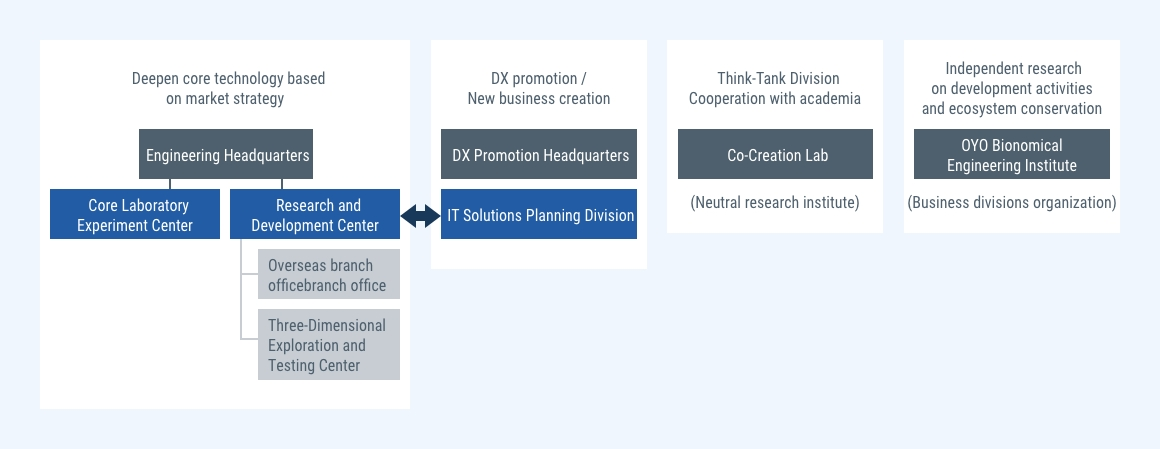
In order to provide solutions that address social issues, the OYO Group constantly researches new technologies that form the basis of these solutions. In addition to further deepening core technologies based on market strategies, our research and development departments have the important mission of creating new businesses and markets by integrating cutting-edge digital technologies and external resources.
R&D system
Research and Development Center
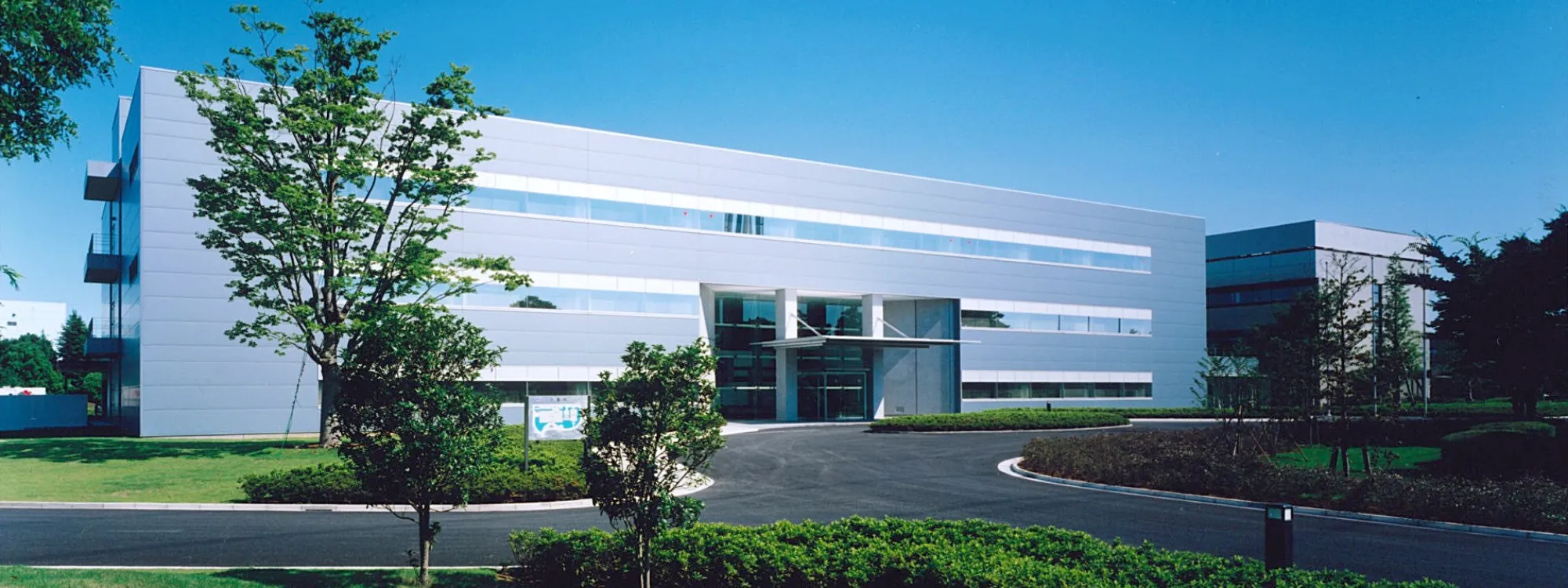
The Group has established the Research and Development Center as a research organization for next-generation technology platforms. In 2016, the Group created this center to integrate the research and development activities of each Group company, improve efficiency, maximize synergies, and secure the world's most advanced technologies with a view to creating new markets.
In addition to its base in Japan, the Group has established branch offices in the United States to collect and analyze cutting-edge technological trends. These overseas bases enable the Group to stay informed about global innovations and incorporate new knowledge into its technological strategies.
Furthermore, the Group has strengthened its international ties by sending Japanese students to overseas universities, such as the Delft University of Technology in the Netherlands, to foster global talent and expand its network of advanced research.
Core Laboratory Experiment Center
The Core Laboratory Experiment Center ("Core-Labo"), established in 1992, is one of the largest soil property evaluation and research facilities in the private sector. The 3,000m2 laboratory is equipped with a wide range of testing machines for evaluating the mechanical properties of soil and rocks, as well as facilities for chemical analysis. In particular, in response to evolving societal and market needs, the Center has developed unique testing equipment that did not previously exist anywhere in the world. A major characteristic of our efforts is the support provided for the development of numerous new technologies in the fields of civil engineering, natural resources, and the environment.
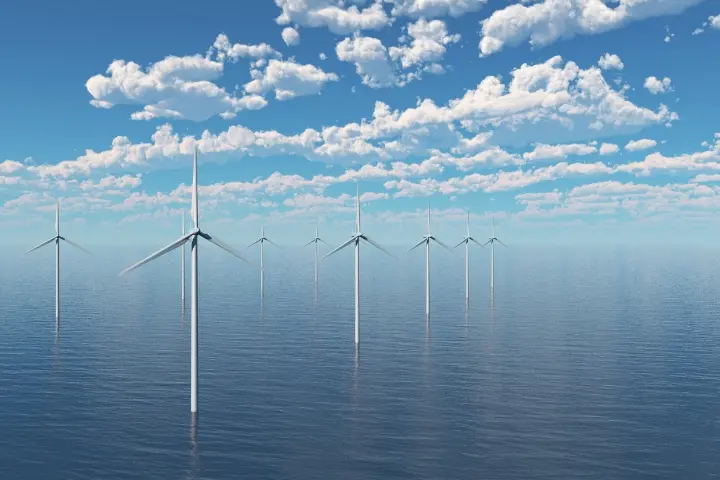
In recent years, the Center has expanded its areas of activity to include carbon neutrality and next-generation energy development. In the field of carbon neutrality, responding to the market entry of European companies--where offshore wind power generation is particularly advanced--the Center developed a special ground evaluation tester that meets European technical standards and introduced it to the market. Additionally, the Center contributes to the development of many testing technologies for CO2 geological storage (CCS), which is gaining attention for decarbonized urban development, as well as methane hydrate, which is once again attracting interest as a next-generation energy source.
Three-Dimensional Exploration and Testing Center
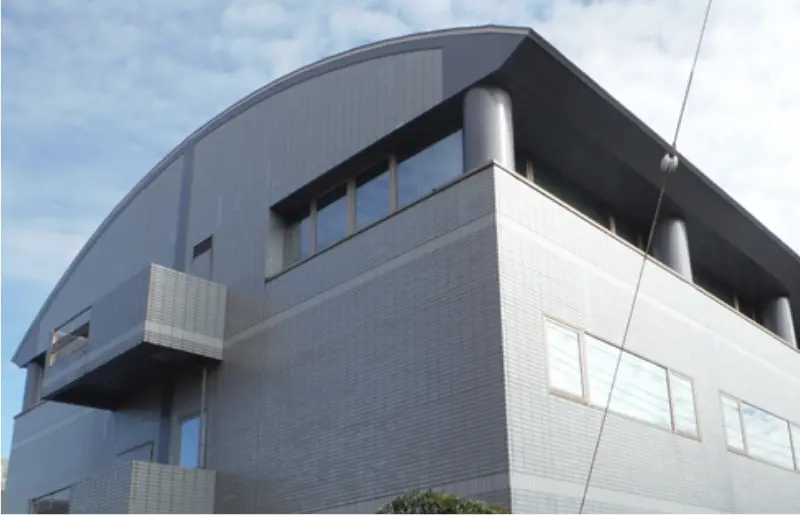
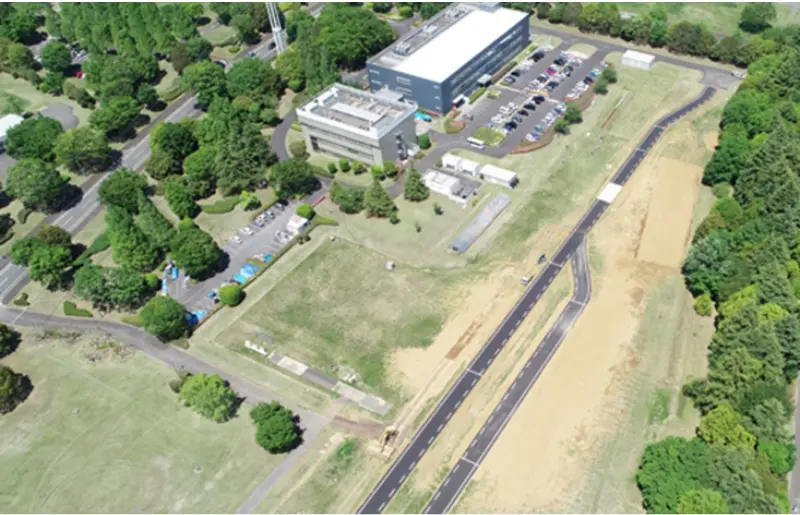
In recent years, many construction accidents caused by uncertainty regarding underground conditions have been reported, and social interest in geological risks has been increasing. In response to these societal needs, we established the Three-Dimensional Exploration and Testing Center in April 2019.
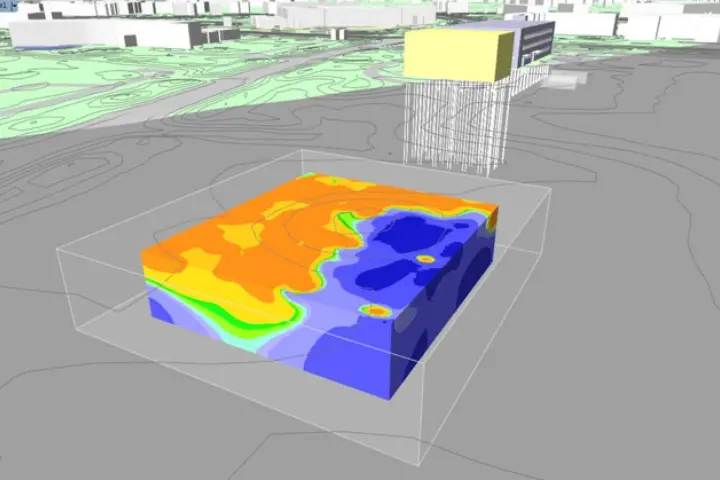
The purpose of the Center is to develop and promote 3D Geophysical Exploration Technology, which enables three-dimensional measurement and visualization of underground conditions. On the Center's premises, roads with various embedded structures and simulated cavities have been constructed in advance, along with a field equipped with multiple types of sensors.
These facilities make it possible to reproduce and test conditions equivalent to actual roads. The Center can verify the accuracy of 3D visualization of buried objects and the surrounding ground, taking into account factors such as the location and shape of underground structures and the conditions of the surrounding soil.
DX Promotion Headquarters
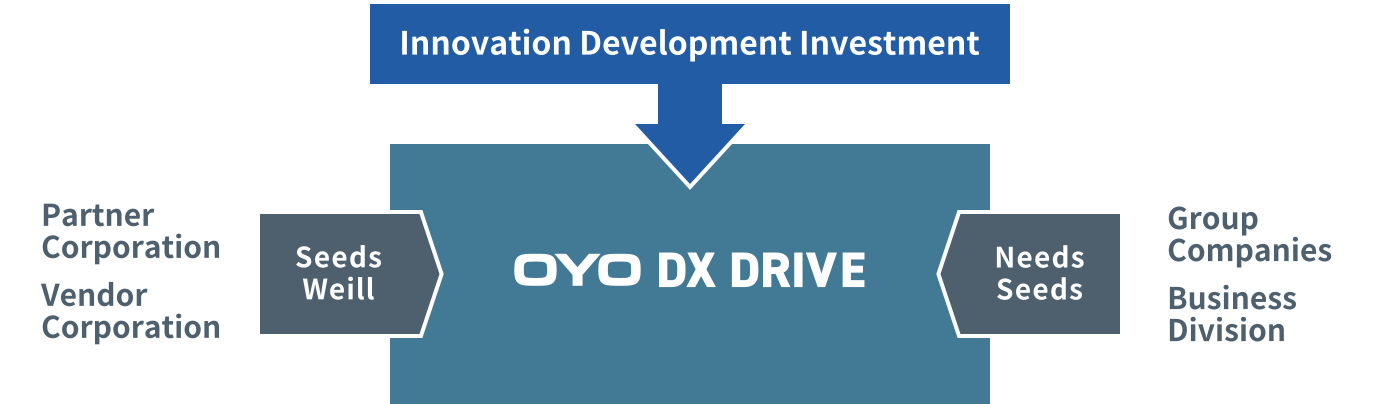
In the Medium-Term Business Plan "OYO ADVANCE 2023", we are promoting the DX-Centric Innovation Strategy. At the core of this strategy, the DX Promotion Headquarters oversees the DX Strategy, which aims to create new businesses and services while deepening existing businesses through the advancement of digital transformation.
In addition to actively fostering cross-industrial open innovation through digital technologies, we are developing the new technologies necessary to support such efforts. We also combine seeds and needs within the Group with the cutting-edge technologies of external companies.
By doing so, we are driving the OYO DX-Drive (OYO DX Dynamic Relationship Integration between Various Enterprises) initiative, which focuses on creating new business services and enhancing existing business models.
Co-Creation Lab
The environment surrounding the Group is changing rapidly. Examples include climate change, the frequent occurrence of natural disasters, the transformation of economic and industrial structures driven by digital technology, and drastic changes in lifestyle habits triggered by pandemics. At the same time, social and economic systems are becoming increasingly interconnected, causing the impact of natural disasters to spread in multiple directions. This means we have entered an era in which problems can no longer be solved through localized measures.
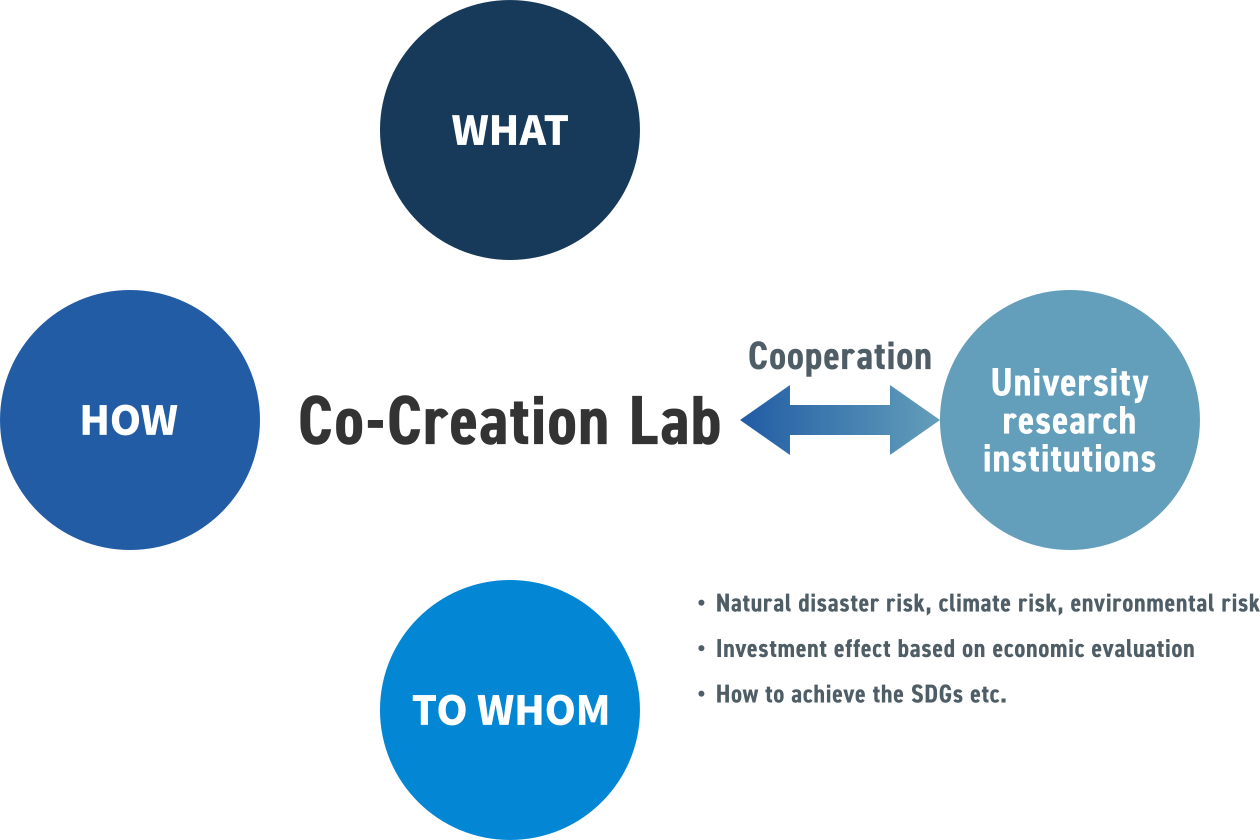
In this era of societal transformation, we believe it is essential to evaluate and analyze issues from multiple perspectives and to develop integrated problem‑solving approaches. Based on this belief, OYO Corporation established the Co‑Creation Lab in April 2022. With the goal of developing solutions and implementing them in society, the Co‑Creation Lab collaborates with research institutes such as universities and operates under a research framework centered on open innovation.
- WHAT
-
Research themes - Research themes include natural disasters (massive disasters), climate change, population decline, systemic risk, and environmental risk
- Investment effect analysis of disaster prevention based on economic evaluation, Investment effect analysis of infrastructure development, policy making, etc.
- ESG, SDGs, evaluation of projects related to regional revitalization, policy planning, etc.
Business development based on research results - Real-time damage prediction
- Development and social implementation of advanced natural disaster prevention and mitigation services
- Development of social systems for sustainable regional development
- Creation of new business domains related to disaster prevention, environment, and other domains etc.
- HOW
-
- Issuance of newsletters
- Submission of papers, lecture activities
- Collaborative research, commissioned research etc.
- TO WHOM
-
- OYO Group companies
- Government agencies, public offices, general companies, business operators
- General companies, business operators, universities, research institutes etc.
OYO Bionomical Engineering Institute
The impact on the surrounding environment has often become a concern in construction work, including infrastructure development. During the period of rapid economic growth, many large-scale roads and railways were constructed. These projects brought significant benefits to our daily lives and the economy. However, there were also many cases in which ecosystems and aquatic environments suffered serious damage at construction sites.
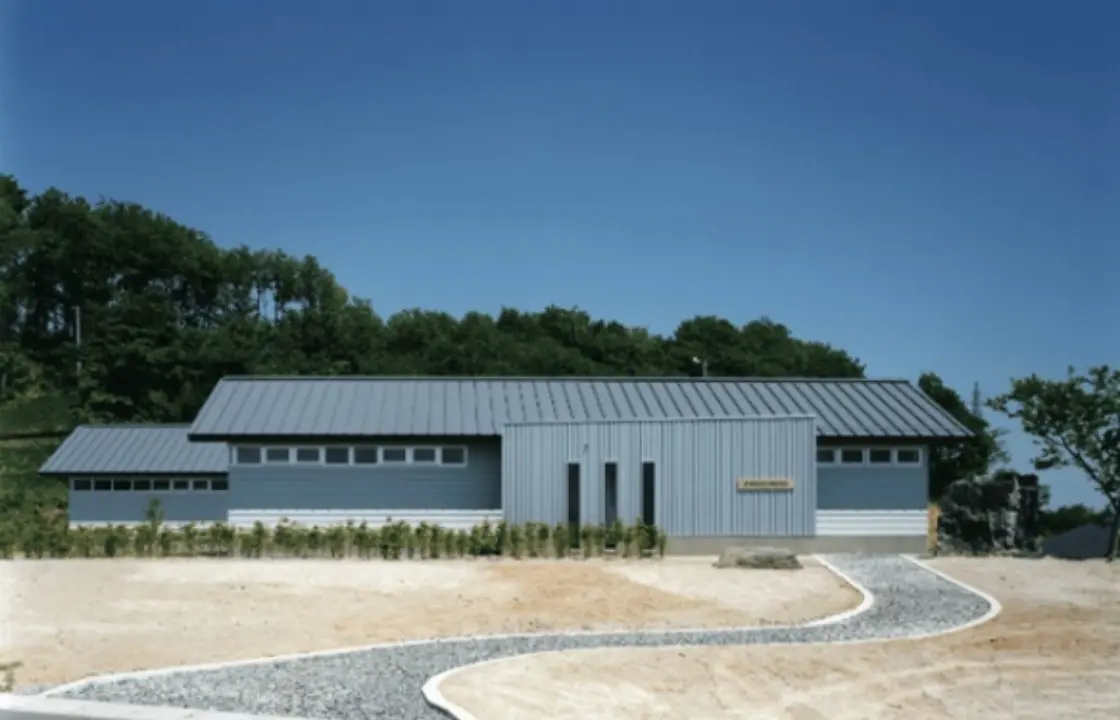
In 1999, OYO Corporation established the OYO Bionomical Engineering Institute in Miharu-machi, Fukushima Prefecture, as its own research facility. The Institute was founded with the goal of realizing a sustainable society in which nature and human development activities can coexist.
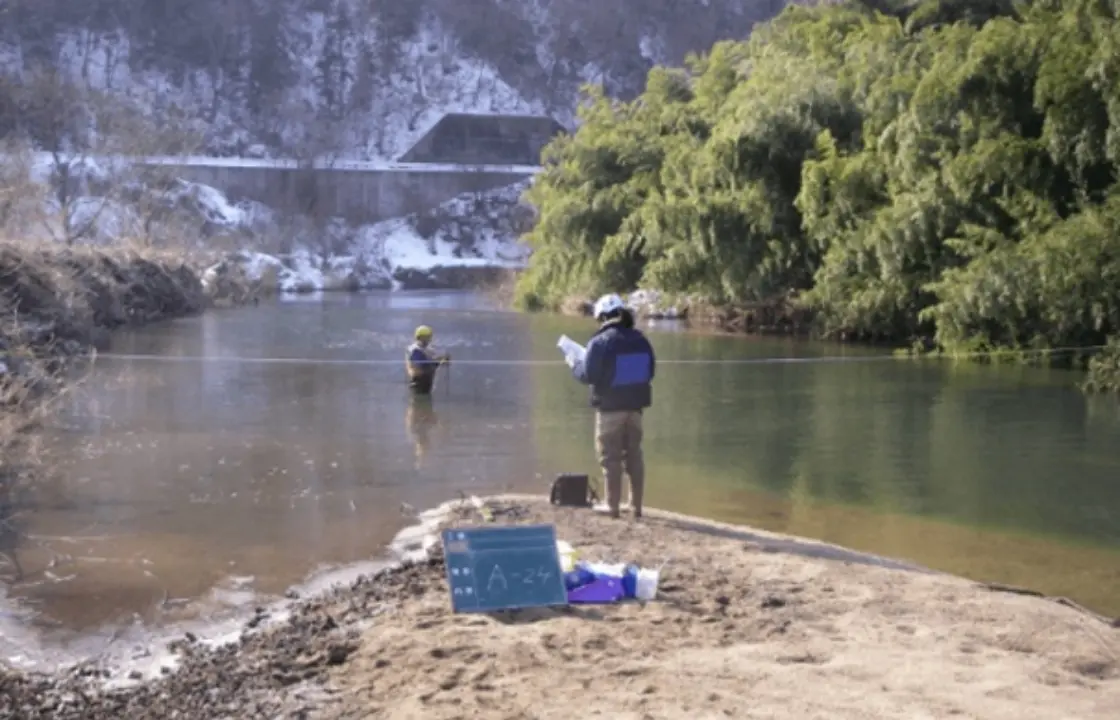
The OYO Bionomical Engineering Institute focuses particularly on research related to changes in ecological environments, water quality, and riverbed materials caused by the development of dams and rivers. The results of this research are shared through domestic academic conferences, academic publications, and websites, and they are used in activities such as environmental impact assessments for various projects.
In recent years, from the perspective of protecting biodiversity, the Institute has utilized advanced environmental DNA (eDNA) technology to study the habitats of invasive species and to establish ecological management methods.